If rates pushed you into shopping for a cheaper homeowners insurance policy, ask questions before you buy. Most policyholders have no idea what limitations sit inside the policies they price. We buy on price, and a cheap policy pays cheap at claim time. Many cheaper policies cap water damage at $10,000, no matter how large the loss runs. Many carry a matching limit of one percent. Neither line shows up in the price quote. Below are the questions to ask about any quote in front of you, and what the answers can cost.
$10,000 is where water damage payment stops under the cap in many cheaper policies
1% is the matching limit that caps payment when a repair cannot match
$50 to $100 a year is the saving on the table when you shop on price
A burst pipe meets a $10,000 cap
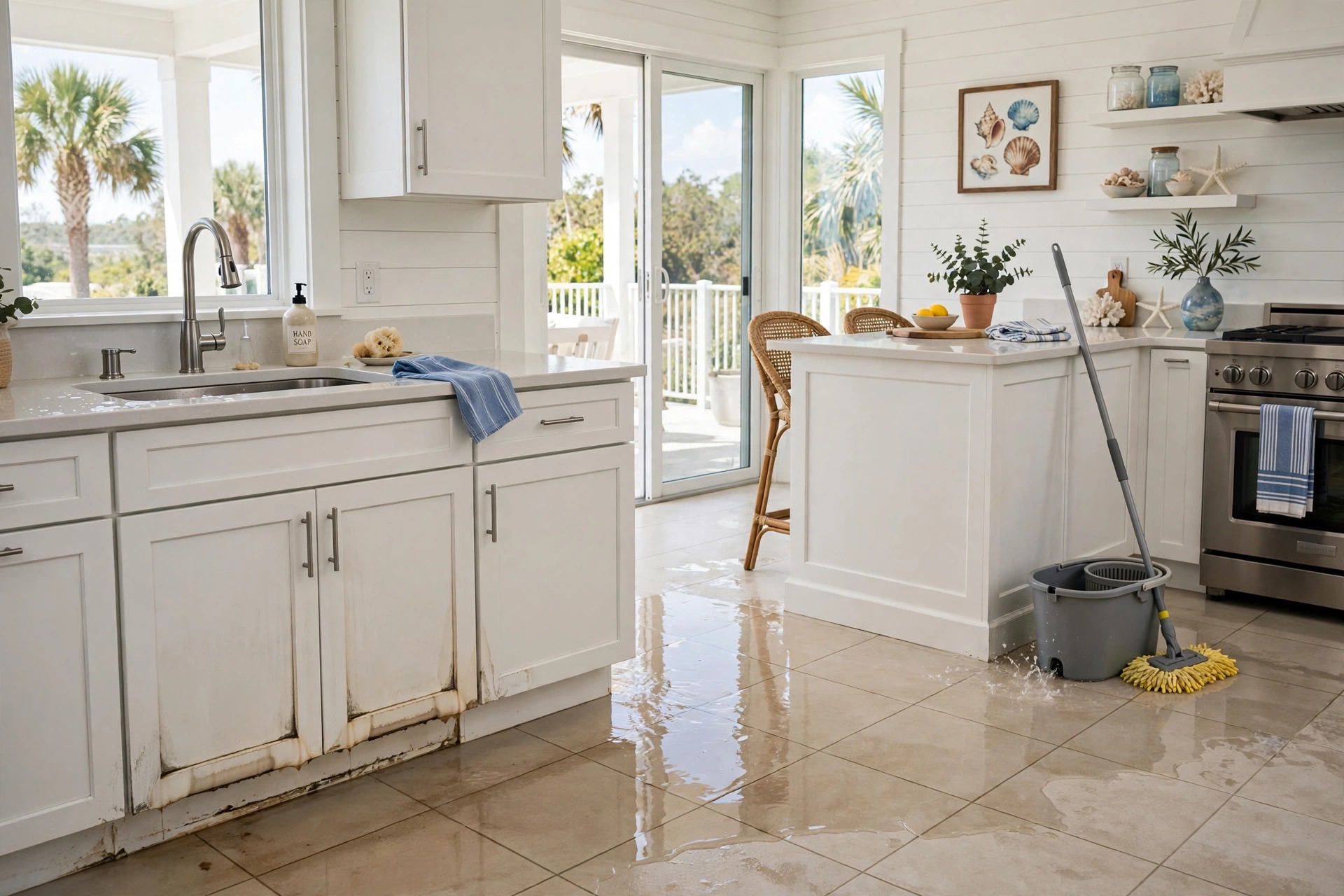
You would think a burst pipe is covered, full stop. Then water pours through a ceiling. Floors buckle. Walls soak to the studs. Then the claim opens and the adjuster points to one line in the policy. The policy caps water damage at $10,000. Run the math on one example. A $60,000 water loss under a $10,000 cap leaves $50,000 on the homeowner. The cap sat in the policy from the first day. It never came up at the sale, because the quote carried the premium and nothing else.
When the repair cannot match
When the new shingles cannot match the old roof, a one percent matching limit pays a sliver of the fix. Storm damage tears up part of a roof or one wall of a house. The replacement material no longer matches what is already there. A matching limitation of one percent caps the carrier’s payment toward matching at that limit. The homeowner pays the rest, or lives with a patchwork repair.
Flooring runs the same way, and the run is longer. Water takes out part of a kitchen floor, and that floor runs continuous through the dining room and down the hall. A match is not one room patched. A match is the whole run replaced, so the floor reads as one floor. At a one percent matching limit, the carrier’s share stops almost as soon as the work starts. The homeowner pays for the rest of the run.
Roof wording cuts the same way. Some policies pay a roof on a settlement schedule tied to its age. An older roof can pay a fraction of replacement cost under that schedule, even on a policy sold as replacement coverage. The schedule sits in an endorsement. The price quote never mentions it.
Words matter in a policy, because the claim gets paid on the words. I am Nathan Sheppard. I have worked Florida claims for 17 years. In that time, I have never seen a policy change added that helped the policyholder.
The sale runs on price
The client asked for a lower price. The agent quoted a lower price. Nobody priced the wording. That is the whole problem. You get what you pay for. A cheaper policy is cheaper for a reason, and the reason shows up once. It shows up on the day a claim puts every line of the wording to work.
The training behind the sale keeps shrinking
Attorney Chip Merlin of Merlin Law Group (https://www.propertyinsurancecoveragelaw.com/blog/california-ab-943-prelicensing-education-repeal/) wrote about the training side of this problem this week. A California law called AB 943 took effect this year. It removed the mandatory 20 hours of line-specific prelicensing education for affected producer licenses. The licensing exam remains, and so do 12 hours of ethics and insurance code instruction. Merlin’s bottom line is that California made that substantive education optional. His test for a new agent is practical. Can the agent spot a home that needs more ordinance or law coverage? Can the agent explain how a roof settlement endorsement changes a storm payment? A homeowner cannot see that knowledge gap at the sale. The gap shows up at the claim.
The Panhandle renews under open claims
Thousands of Hurricane Isaias claims are still open (https://policyholderadvocacygroup.com/hurricane-isaias-claims-by-the-numbers/), and a policy signed now sets the wording the next claim lives under. A cheaper policy that replaces the old one this winter decides what the next storm pays.
Ask these four questions before you buy
- Is there a water damage cap, and what is it? In many cheaper policies the cap is $10,000
- Is there a matching limitation, and how much does it pay toward matching? In many cheaper policies the limit is 1%
- Does the roof pay at replacement cost, or on an age schedule?
- What exclusions does this policy carry that my current one does not?
This site has called the pattern insurance shrinkflation (https://policyholderadvocacygroup.com/your-florida-policy-covers-less-than-it-used-to/), the same coverage in a smaller package. The four answers above are where the package shrinks.
What we do with wording like this
Policyholder Advocacy Group reads policies the way carriers read them at claim time. I founded the firm in 2012, and our work covers the Panhandle, from Pensacola through Walton County. We inspect the property, document the damage, and build the claim the policy promises to pay. When a carrier’s estimate comes in short, we set the estimate next to the policy and the damage, line by line, and push for the full amount owed under the terms of the policy. The reading we do on a live claim is the reading we do on a policy before you buy it. Homeowners hand us the file. We handle the paperwork, the meetings, and the follow-up.
Call 800.511.2240 for a free policy review before you sign. We will flag the caps, the exclusions, and the changed words. We will tell you in plain language what the cheaper policy pays when a pipe bursts or a storm hits. A cap found on paper costs nothing. A cap found after a loss leaves you paying everything over it.
Premiums will climb again next year. The shopping will start again. Remember what the saving buys. Fifty to one hundred dollars a year can sit next to a capped loss in the tens of thousands. The bigger the loss, the bigger the share of it that lands on the homeowner.
Questions homeowners ask about cheaper policies
What is a water damage cap?
It is a dollar limit inside the policy on water damage. The carrier pays up to the cap and no more, even when the loss runs far past it.
What is a matching limitation?
It is a percentage cap on what the carrier pays when a repair must match the material around it. At one percent, the payment toward matching stops fast, even when the mismatch covers a whole roof slope. The same cap hits flooring. When a floor runs continuous from room to room, a match means the whole run, and one percent pays a sliver of it.
What is a roof settlement schedule?
It is wording that pays a roof by its age. The older the roof, the smaller the share the carrier pays, even when the rest of the policy promises replacement cost.
How do I check a policy before I buy it?
Ask the four questions above, then read the answers in the endorsements, not on the price page. Compare the water cap, the matching limit, the roof wording, and the exclusions against the policy you hold now. If a line changed and no one can explain what it does at claim time, that silence is the answer.